



India National Cricket Team vs Namibia National Cricket Team Standings, Full Analysis

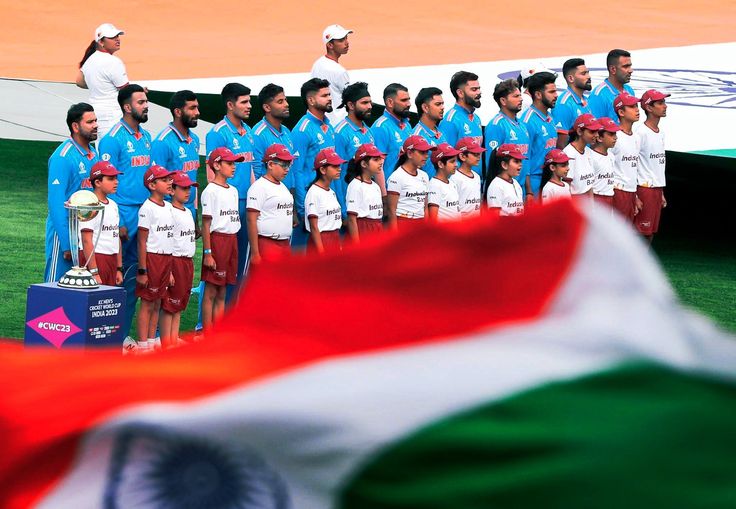
The India national cricket team vs Namibia national cricket team standings have drawn significant attention from cricket fans, particularly following their meeting in an ICC tournament. India is widely regarded as one of the strongest cricketing nations in the world, while Namibia has steadily progressed as a competitive associate member.
When analyzing the India national cricket team vs Namibia national cricket team standings, it is essential to consider historical records, ICC rankings, and overall tournament performances. As a Full Member of the ICC, the India national cricket team consistently competes at the highest level across all formats. Meanwhile, the Namibia national cricket team has emerged as a promising associate nation, particularly in the T20 format.
India National Cricket Team vs Namibia National Cricket Team Standings in ICC Tournaments
In major ICC competitions, the standings between these two teams reveal a substantial gap in experience and exposure. India has regularly ranked among the top sides in Tests, ODIs, and T20Is.
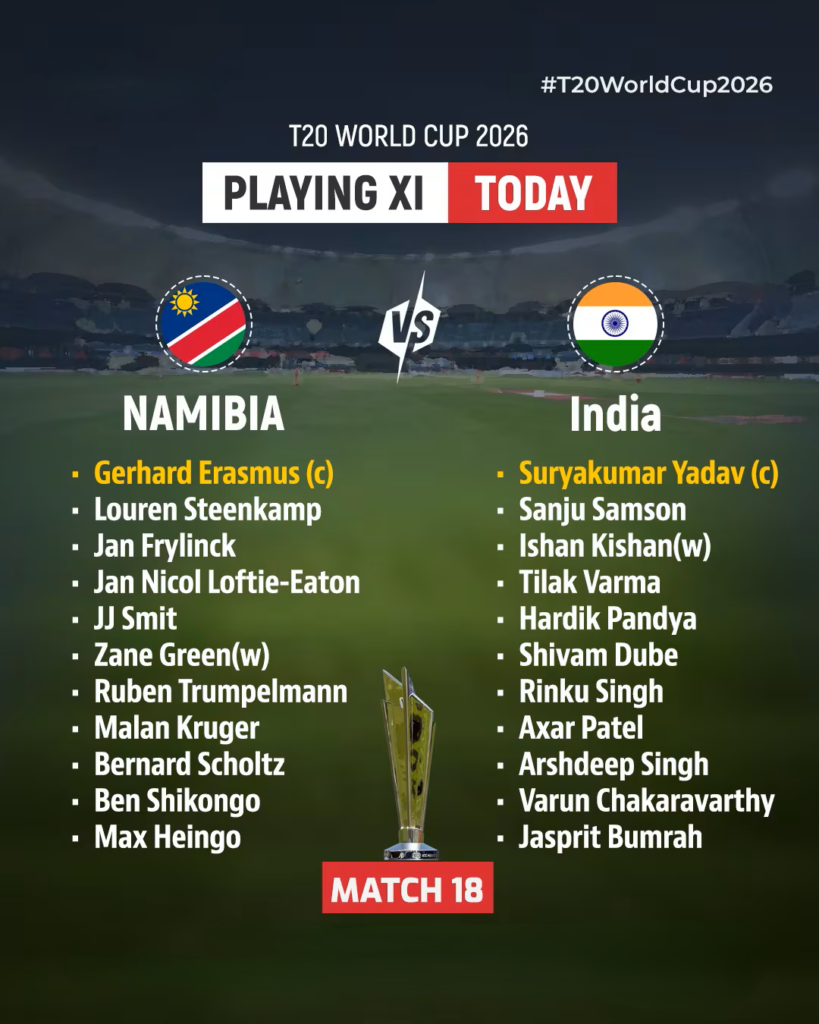
Namibia gained global recognition during the ICC Men’s T20 World Cup, especially in the IND vs Namibia clash that attracted international viewership. Although India secured victory in that encounter, Namibia’s qualification itself reflected the country’s improving cricket infrastructure and growing competitiveness.
IND vs Namibia T20 World Cup Performance
During the IND vs Namibia match at the ICC tournament, India showcased dominant batting and disciplined bowling. At that stage, the standings reflected India’s superior net run rate and stronger position in the points table.
Despite the result, Namibia demonstrated resilience and composure. Their participation helped strengthen their international reputation and contributed positively to their ranking as an emerging cricketing nation.
Head-to-Head Record: India National Cricket Team vs Namibia National Cricket Team Standings
A review of the head-to-head record in relation to the standings shows limited encounters between the two sides. These teams typically meet during ICC events rather than in bilateral series.
Match Summary:
- Total Matches Played: Limited encounters
- India Wins: Majority of matches
- Namibia Wins: Yet to secure a win against India
- Format Played: Primarily T20 Internationals
The standings clearly reflect India’s dominance. However, cricket remains an unpredictable sport, and associate teams continue to narrow the performance gap.
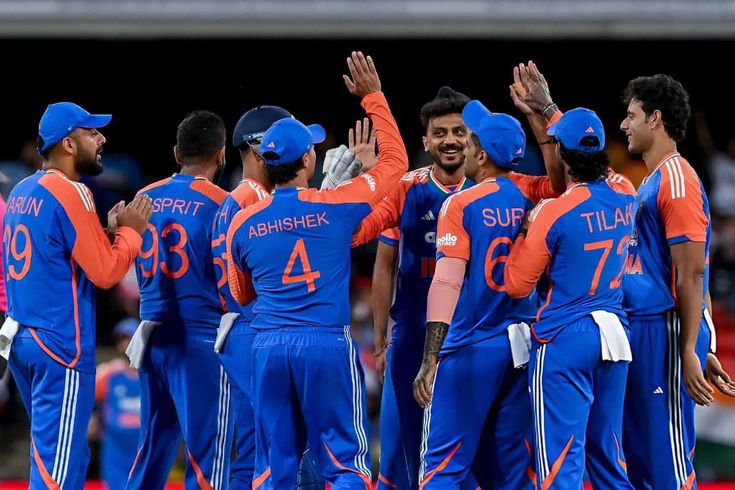
Current ICC Rankings and Standings Comparison
The India national cricket team vs Namibia national cricket team standings also highlight a noticeable difference in ICC rankings.
India:
- Consistently ranked within the Top 5 in T20I rankings
- Strong domestic structure influenced by the Indian Premier League
- Deep player bench and experienced leadership
Namibia:
- Competitive associate member
- Improved T20I rankings in recent years
- Expanding infrastructure and youth development programs
The gap in standings is largely influenced by differences in domestic competition quality, exposure to high-pressure international matches, and overall squad depth.
Key Factors Affecting India National Cricket Team vs Namibia National Cricket Team Standings
1. Experience in Global Tournaments
India consistently competes in ICC knockout stages and finals. Namibia is still building experience at this level, which directly impacts overall standings.
2. Domestic Structure
India benefits from a robust domestic circuit and one of the world’s most competitive T20 leagues. Namibia’s domestic structure is developing but remains comparatively smaller.
3. Player Depth
India can rotate players without significantly affecting performance quality. Namibia relies heavily on a core group of key performers.
Statistical Analysis of India National Cricket Team vs Namibia National Cricket Team Standings
Statistically, the standings favor India in key performance metrics such as:
- Higher batting averages
- Better bowling economy rates
- Stronger net run rate in ICC tournaments
- Superior overall win percentage
That said, Namibia has demonstrated improved bowling discipline and competitive intent in recent T20 competitions.
Future Outlook: India National Cricket Team vs Namibia National Cricket Team Standings
Looking ahead, the standings could become more competitive if Namibia continues investing in grassroots cricket and secures greater international exposure.
The expansion of global T20 franchise leagues offers associate players valuable experience. Increased participation at this level could gradually reduce the performance gap between the two sides.
India, however, remains a dominant force in international cricket. With consistent talent development and strategic long-term planning, their strong position in global standings is expected to continue.
For more cricket analysis and match breakdowns, check our detailed tournament insights here:
/icc-t20-world-cup-analysis
External References:
- ICC Official Rankings: https://www.icc-cricket.com/rankings
- T20 World Cup Records: https://www.icc-cricket.com/tournaments/t20-world-cup
Conclusion
The standings of the India national cricket team vs Namibia national cricket team highlight the contrast between a global powerhouse and an emerging associate nation. While India maintains a clear advantage in rankings, history, and head-to-head records, Namibia’s steady growth signals promising long-term development.
The IND vs Namibia clash at the ICC tournament remains a key reference point in assessing their competitive dynamic. As international cricket continues expanding, future encounters may produce closer contests and potentially reshape the standings in the years ahead
Tactical Breakdown and Match Context
Beyond rankings and raw numbers, the tactical contrast between the India national cricket team and the Namibia national cricket team provides deeper insight into their standings. India typically approaches T20 matches with aggressive top-order batting, flexible middle-order combinations, and specialized death bowlers. This strategic depth allows them to adapt quickly to changing match situations.
Namibia, on the other hand, often relies on disciplined bowling spells and calculated batting partnerships. Against higher-ranked teams, their focus is usually on maintaining a competitive total and applying scoreboard pressure. While this conservative approach may limit explosive scoring, it strengthens their ability to compete against stronger opposition.
Another important factor influencing standings is exposure to high-intensity cricket. Indian players frequently compete in global tournaments and franchise leagues, gaining experience under pressure. Namibian players, although talented, have fewer opportunities at that level. However, increased participation in international qualifiers and ICC events continues to narrow that experience gap.
Fielding standards, fitness benchmarks, and data-driven planning also play a role in shaping outcomes. As Namibia continues improving in these areas, future T20 contests could become more balanced, potentially impacting long-term standings between the two sides
Beyond the Numbers: What This Rivalry Really Represents
When discussing the India national cricket team and the Namibia national cricket team, it is easy to focus only on rankings, statistics, and win percentages. However, the deeper story goes beyond the numbers. This matchup reflects two different cricketing journeys, one built on legacy and dominance, the other on ambition and steady progress.
India’s cricket culture is rooted in decades of structured development, passionate fan support, and a massive domestic ecosystem. From grassroots academies to elite tournaments, the path to the national side is highly competitive. The presence of the Indian Premier League has turned Indian cricket into a high-performance machine. Players face international-level pressure long before they represent the country. That experience shapes composure, adaptability, and match awareness, qualities that influence standings in global tournaments.
Namibia’s journey, by contrast, represents the modern growth of cricket. As an associate nation, it does not have the same level of infrastructure or financial backing. Yet its rise in tournaments like the ICC Men’s T20 World Cup shows how careful planning and determination can create competitive teams, even without historic dominance. Just qualifying is a significant achievement, reflecting improvements in coaching systems, youth programs, and international exposure.
The Psychological Edge
In high-level T20 cricket, mindset often separates contenders from participants. India enters most tournaments expecting to reach the semifinals or finals. That pressure builds resilience over time. The ability to perform under global scrutiny is part of why their standings remain consistently strong.
For Namibia, every major tournament is both an opportunity and a challenge. Facing top-ranked teams tests their temperament. While experience gaps show in results, these encounters speed up development. Competing against elite batting lineups and disciplined bowling attacks provides lessons that cannot be matched in smaller domestic competitions.
Tactical Evolution in T20 Cricket
T20 cricket has changed dramatically in the past decade. Power-hitting, analytics, matchup strategies, and specialized roles have redefined how teams approach the format. India fully embraces this evolution. Data analysis teams, fitness specialists, and strategic planners are crucial to their preparation.
Namibia is slowly adopting similar modern methods. Better fitness standards, sharper fielding, and clearer tactical planning have improved their competitiveness. While depth is still a challenge, progress is clear in narrower margins and disciplined performances against stronger sides.
Development Pathways and Future Growth
One of the biggest differences affecting rankings is the development pipeline. India’s domestic circuit produces a steady flow of emerging players ready for international exposure. Even when senior players are rested, the quality remains high. This continuity ensures long-term stability in rankings.
Namibia’s growth relies heavily on expanding grassroots participation and increasing access to international competitions. As more associate players get chances in global leagues, skill development picks up. Exposure to various playing conditions and tactical environments helps close the performance gap.
The expansion of cricket into new markets has also boosted ICC support for associate nations. Funding initiatives, qualification pathways, and tournament slots create realistic growth opportunities. For Namibia, consistent qualification and competitive performances will be key to improving their standings.
The Bigger Picture of Global Cricket
This matchup symbolizes cricket’s broader transformation. Traditional powerhouses like India represent established excellence, while teams like Namibia highlight the sport’s growing global reach. The contrast enhances the competitive ecosystem rather than diminishing it.
As T20 cricket continues to globalize, the gap between full members and associate nations may narrow. Infrastructure investment, sports science, and digital coaching resources are becoming more widely available. Over time, this evolution could reshape future standings.
Final Perspective
The story of India vs Namibia is not just about dominance versus underdog status. It is about progress, structure, opportunity, and ambition. While current standings clearly favor India, Namibia’s steady improvement reflects the changing landscape of international cricket.
Future encounters may still statistically lean toward India, but the long-term trajectory suggests increasing competitiveness. As global cricket expands and associate nations continue to strengthen their systems, matchups like this will become more dynamic and unpredictable, ultimately benefiting the sport as a whole
