


Signs of a Toxic Relationship: 8 Clear Red Flags Ep-1

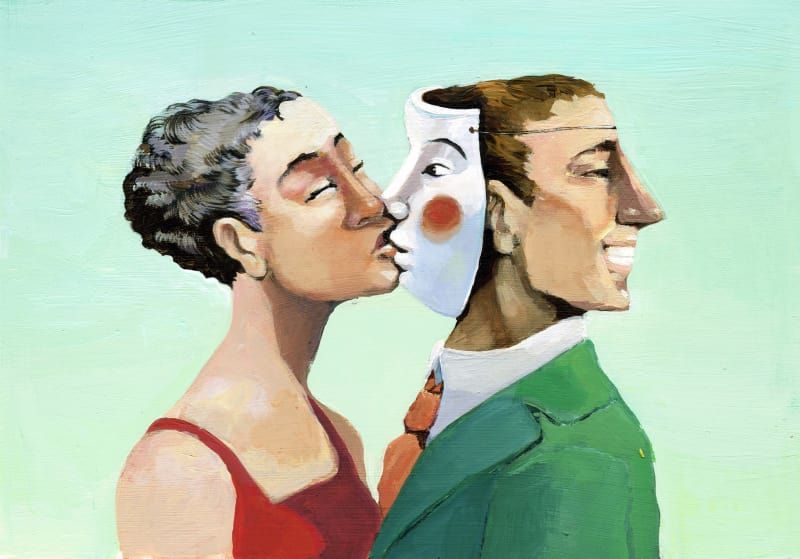
Signs of a Toxic Relationship: 8 Clear Red Flags Ep-1….
Love should feel safe, calm, and grounding.
However, what often starts as love can turn into confusion, anxiety, and emotional exhaustion. The toughest part? You may not notice it right away. It starts small. A comment here, a controlling tone there. A silent treatment can weigh more than angry words.
Recognizing the signs of a toxic relationship isn’t about blaming anyone. It’s about protecting your mental health and emotional well-being. Many people overlook early signs of toxic behavior, hoping things will get better. But hope without awareness can lead to self-destruction.
If you’ve ever doubted your worth because of someone’s actions, this episode is for you.
What Are the Signs of a Toxic Relationship?
Signs of a toxic relationship often hide behind strong emotions. Passion can come off as possessiveness. Care can appear as control. Concern can feel like constant criticism.
At first, everything may seem intense and magnetic. But gradually, you start to shrink yourself. You overthink your words and apologize for things that weren’t your fault.
The truth is simple: healthy love helps you grow. Toxic love makes you question who you are.
Let’s explore 8 clear red flags you should never ignore.
1. Constant Criticism and Belittling
One common sign of a toxic relationship is constant criticism presented as “advice.”
They mock your goals, compare you to others, and make jokes at your expense. When you respond, they might say, “You’re too sensitive.”
Constructive feedback helps you grow, while toxic criticism breaks you down.
Over time, this behavior harms your self-esteem, leading you to believe you are not enough. That’s how emotional control begins—by eroding your confidence.
2. Manipulation and Guilt-Tripping
Another major warning sign of toxic behavior is manipulation.
They twist situations to make you feel guilty. They constantly bring up past mistakes and play the victim, even when they are the ones causing pain.
This is emotional chess, and you are always forced to defend yourself.
When guilt becomes a common tool in a relationship, it’s no longer love; it’s control.
3. Extreme Jealousy and Possessiveness
A little jealousy is normal. However, extreme jealousy is a clear sign of a toxic relationship.
They monitor your calls, question your friendships, and get angry when you spend time with others.
It might seem like they “care too much,” but true care respects your freedom. Possessiveness shows insecurity projected onto you.
This pattern often appears in toxic friendships, where someone tries to isolate you to maintain control.
4. Lack of Respect for Boundaries
Boundaries are emotional barriers that protect your peace.
If someone repeatedly ignores your limits, it’s a serious red flag. Signs of a toxic relationship often come with a disregard for your need for space, privacy, or personal time.
When you say no, they push harder. When you ask for space, they create drama.
Respect forms the foundation of love. Without it, attachment can become suffocating.
5. Emotional Rollercoaster Patterns
One day, they adore you. The next day, they ignore you.
This push-pull dynamic is both addictive and harmful. It leads to trauma bonds, which tie you emotionally to their highs and lows.
These unpredictable shifts signal toxic emotional cycles. You might find yourself craving validation from the same person who causes you anxiety.
Healthy relationships are stable, not chaotic.
6. Blame Shifting
In every argument, it somehow ends up being your fault.
One dangerous sign of a toxic relationship is blame shifting. They avoid taking responsibility, deny clear mistakes, and manipulate you into doubting your memory.
You might start to think, “Maybe I am overreacting.”
But deep down, you know something feels off, and that instinct is important.
7. Isolation from Friends and Family
Isolation doesn’t happen by chance; it’s deliberate.
A partner or toxic friend may gradually create distance between you and your support network. They might criticize your friends or complain about your family.
Eventually, you may stop sharing your problems with others because it leads to conflict.
This isolation can make it harder to notice the signs of a toxic relationship since you lose outside perspectives.
8. You Feel Drained More Than Happy
The simplest emotional test is to ask yourself: Do I feel peaceful after spending time with them? Or do I feel exhausted?
If most interactions leave you anxious, confused, or emotionally drained, that’s a strong indication of a toxic attachment.
Love should uplift you, not drain you.

Signs of a Toxic Relationship vs Healthy Love
Understanding the difference is crucial.
Healthy love:
- Encourages growth
- Respects boundaries
- Accepts accountability
- Communicates openly
Toxic dynamics:
- Control through fear
- Manipulate through guilt
- Destroy confidence
- Avoid responsibility
The signs of a toxic relationship become obvious when you compare how you feel. Healthy love feels safe, while toxic love feels uncertain.
Can Toxic Patterns Exist in Friendship?
Yes.
A toxic friendship can involve the same emotional manipulation, jealousy, and control. If a friend constantly competes with you, dismisses your achievements, or emotionally drains you, those are clear signs of toxic behavior.
Not every bond labeled “friendship” is healthy. Protecting your peace sometimes means stepping away.
Why We Ignore the Signs of a Toxic Relationship
Because leaving feels harder than staying.
Because memories of good moments confuse us.
Because we fear being alone.
Our minds cling to potential: “Maybe they’ll change.” But real change needs awareness and effort, not excuses.
Recognizing the signs of a toxic relationship is not a sign of weakness; it shows emotional intelligence.
What To Do If You Recognize These Signs
First, don’t panic. Awareness is powerful.
Start by rebuilding your confidence. Talk to trusted friends or family. Reconnect with hobbies you let go of.
If the behavior continues despite your communication, think about distancing yourself. Emotional safety should never be compromised.
Protecting your mental health is not selfish; it is necessary.
For more open conversations about relationships, check out our internal post:
https://neelunfiltered.com/why-people-stay-in-bad-relationships
You can also find psychological insights on emotional abuse at:
https://www.psychologytoday.com
https://www.healthline.com
The Psychological Impact of Ignoring the Signs of a Toxic Relationship
Many people underestimate how deeply the signs of a toxic relationship can affect the mind. Emotional damage does not always show on the surface. There are no visible scars or broken bones. But internally, something slowly erodes: confidence, clarity, and self-worth.
When you constantly walk on eggshells, your nervous system stays in survival mode. You overanalyze messages. You rehearse conversations in your head. You prepare for reactions that may or may not happen. This ongoing stress reshapes your emotional responses.
Over time, you stop trusting your instincts. You question your memory. You second-guess your feelings. That is how subtle manipulation works; it disconnects you from yourself.
The longer someone ignores the signs of toxic behavior, the more normalized it becomes. You adjust to chaos. You call it “normal.” That is the most dangerous part: when dysfunction feels familiar.
Why Smart People Stay in Toxic Dynamics
There is a misconception that only emotionally weak people stay in unhealthy relationships. That is not true. Even intelligent, strong individuals can overlook the signs of a toxic relationship.
Why? Because emotions override logic.
When attachment forms, your brain releases chemicals that create bonding. Even after repeated hurt, the memory of affection keeps you attached. This creates a cycle of pain followed by temporary comfort.
Another reason is potential. People fall in love with who someone could be, not who they consistently are. You focus on the good days and minimize the bad ones. You think patience will fix everything.
But effort must be mutual. One person cannot carry emotional maturity for two.
The Slow Damage to Self-Identity
One of the less discussed signs of a toxic relationship is identity erosion.
At the beginning, you are confident. You have opinions and boundaries. But gradually, you adjust yourself to avoid conflict. You speak less. You hide your preferences. You shrink your personality.
You may not even notice when this happens. It is slow, subtle, and progressive.
In toxic friendship circles, this often appears as peer pressure or emotional dominance. You laugh at jokes that hurt you. You agree to things you dislike. You silence your discomfort to maintain peace.
But peace built on silence is not real peace.
Emotional Addiction and Trauma Bonds
Toxic relationships often feel impossible to leave because they create emotional addiction. The extreme highs and lows trigger intense emotional responses.
After conflict, when they suddenly become affectionate, it feels powerful and almost relieving. That relief strengthens your attachment. This is called a trauma bond.
One of the clearest signs of a toxic relationship is feeling deeply attached to someone who consistently hurts you. You crave their validation even though it costs you your stability.
Breaking this pattern requires awareness. You must separate intensity from intimacy. True intimacy is calm, consistent, and respectful.
Rebuilding Yourself After Recognizing the Signs
If you have started noticing the signs of toxic behavior in your life, do not rush decisions out of fear. First, rebuild your emotional foundation.
Reconnect with your individuality. Spend time alone without feeling guilty. Journal your feelings honestly. Notice how your body reacts around certain people; tension is information.
Healing also involves accepting reality. Sometimes love is not enough. Sometimes friendship no longer aligns.
Recognizing a toxic friendship or relationship is not a failure. It is growth.
You are not dramatic for wanting respect. You are not demanding for wanting clarity.
When you truly understand the signs of a toxic relationship, you begin reclaiming your power.
Final Thoughts: Listen to Your Inner Voice
The signs of a toxic relationship are not always loud. Sometimes they show through anxiety, sleepless nights, and quiet tears.
If something feels wrong consistently, it likely is.
You deserve respect.
You deserve clarity.
You deserve peace.
This is Episode 1. Sometimes, the first step to healing is simply admitting the truth.
